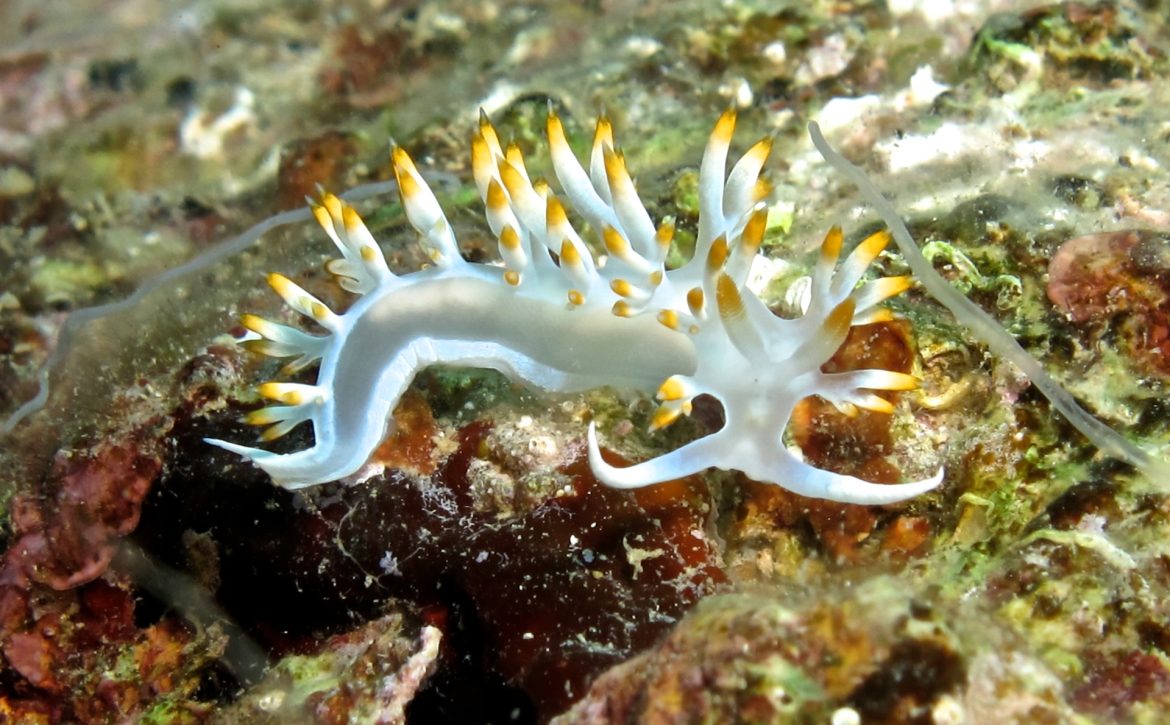
YOU ARE WHAT YOU EAT
How to find underwater what you’re looking for
by knowing what they eat!
Many people are amazed by the skill of some guides in finding nudibranchs and other marine creatures highly appreciated by photographers on every dive. Well, you should know that it’s not magic, a sixth sense, or any other trick, but rather an in-depth knowledge of the dive site and the living habits of the organisms being sought.
I know it may seem like we pull them out of our BCD pockets, but I assure you that behind it there is a lot of passion, study, and experience. In this article, I will share with you some professional tips, especially how to more easily identify certain types of nudibranchs by knowing what they feed on. This could be very useful for you not only if you decide to pursue the path of becoming a dive guide—a job (yes, it is a job even if many think it’s like being on vacation) that is wonderful and full of satisfaction—but also if you are simply looking for subjects for your photos. Because of their slow movements, nudibranchs are perfect subjects to photograph and, especially if you manage to take good macro shots, you will notice how rich in detail and colorful they are. Of course, they do have the drawback of being small and/or tending to remain in poorly lit crevices; however, these organisms feed on sponges and bryozoans, which are larger and therefore easier to spot.
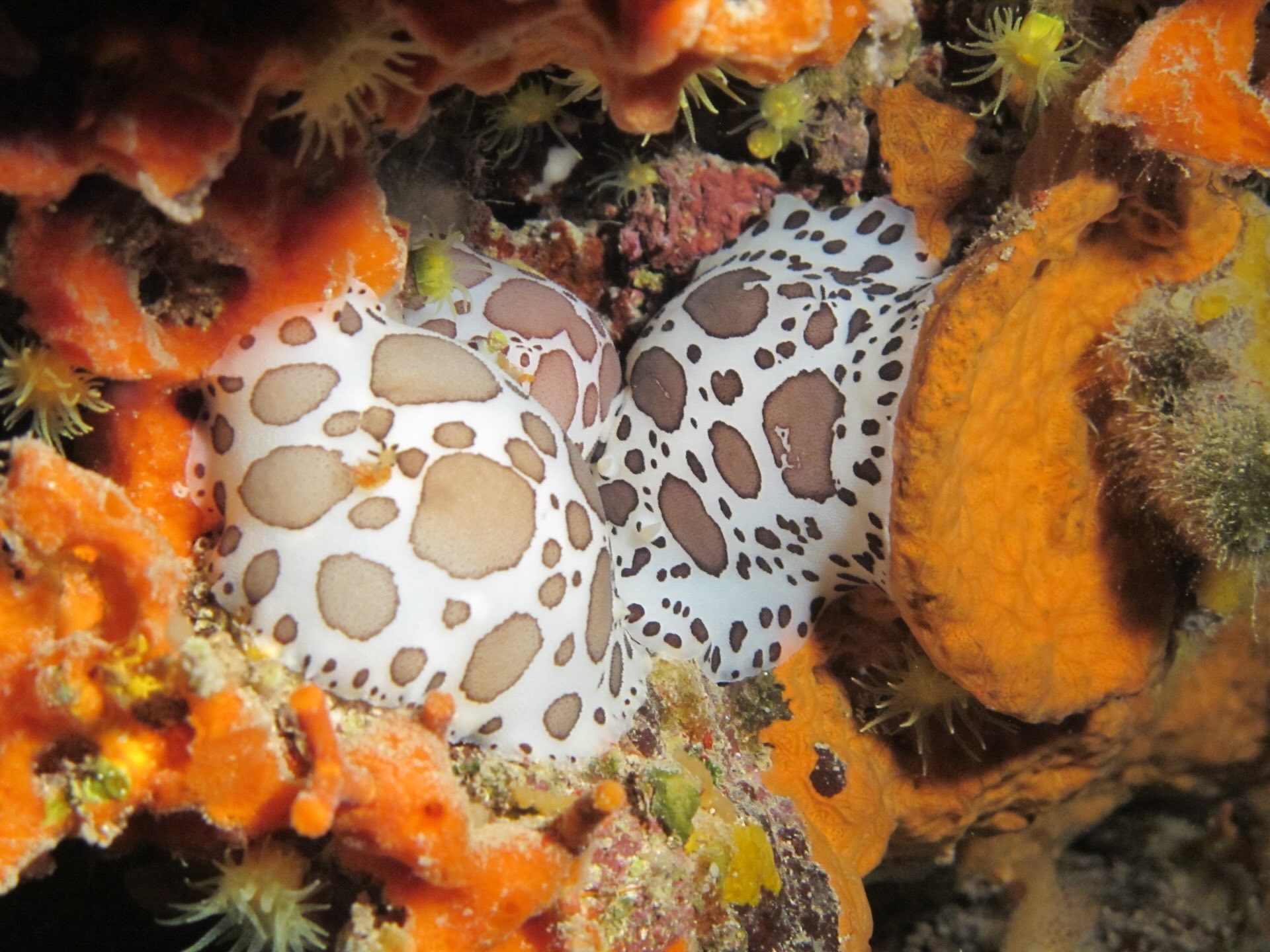
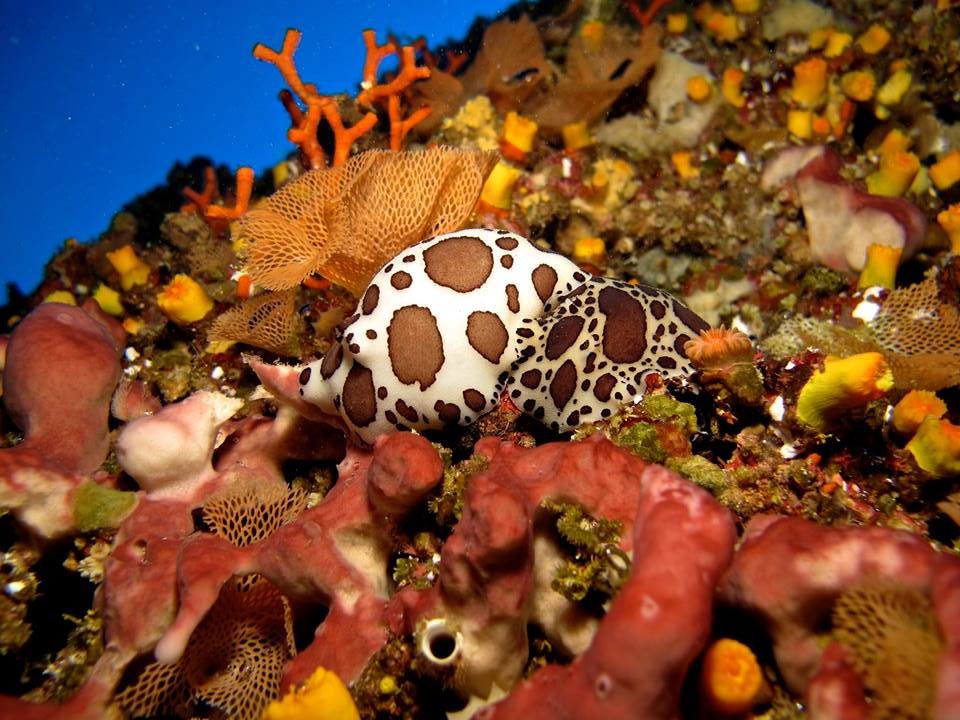
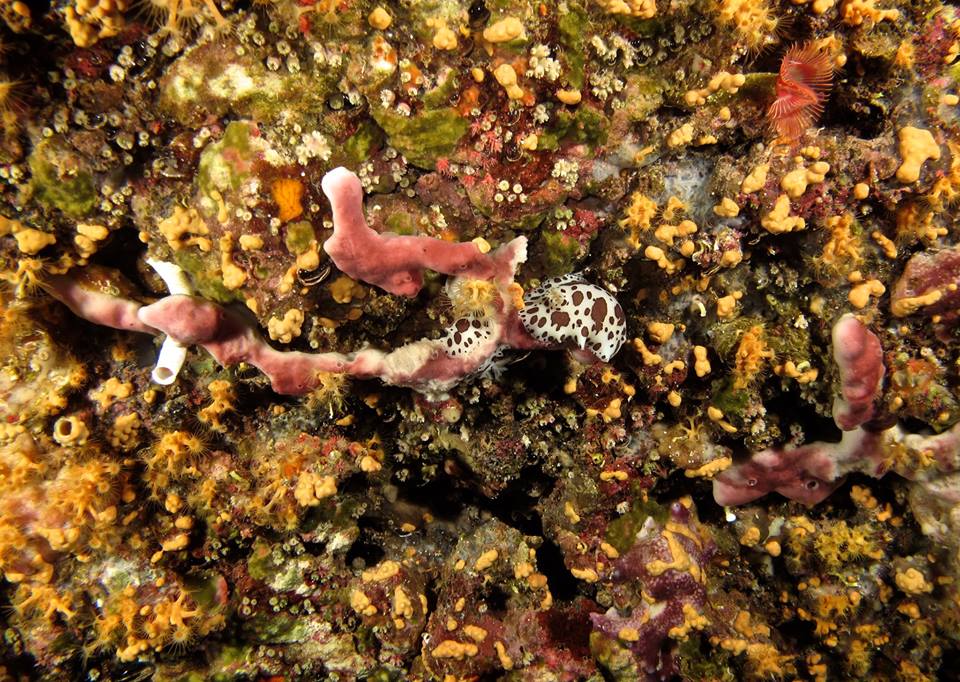
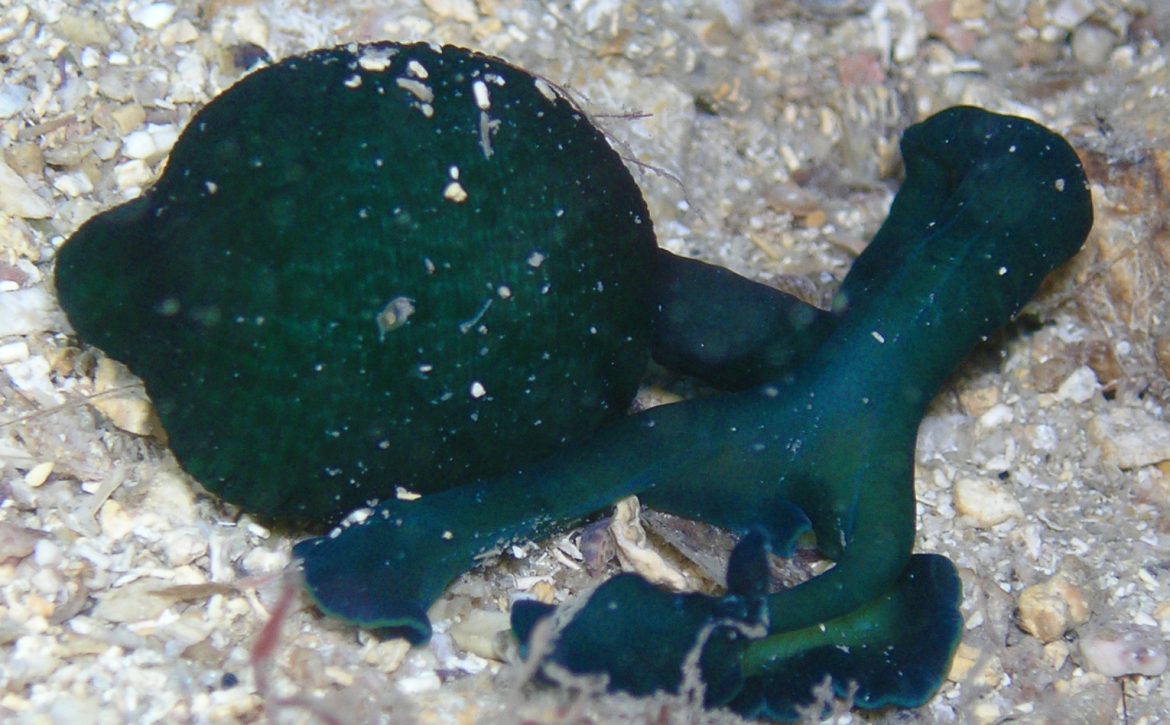
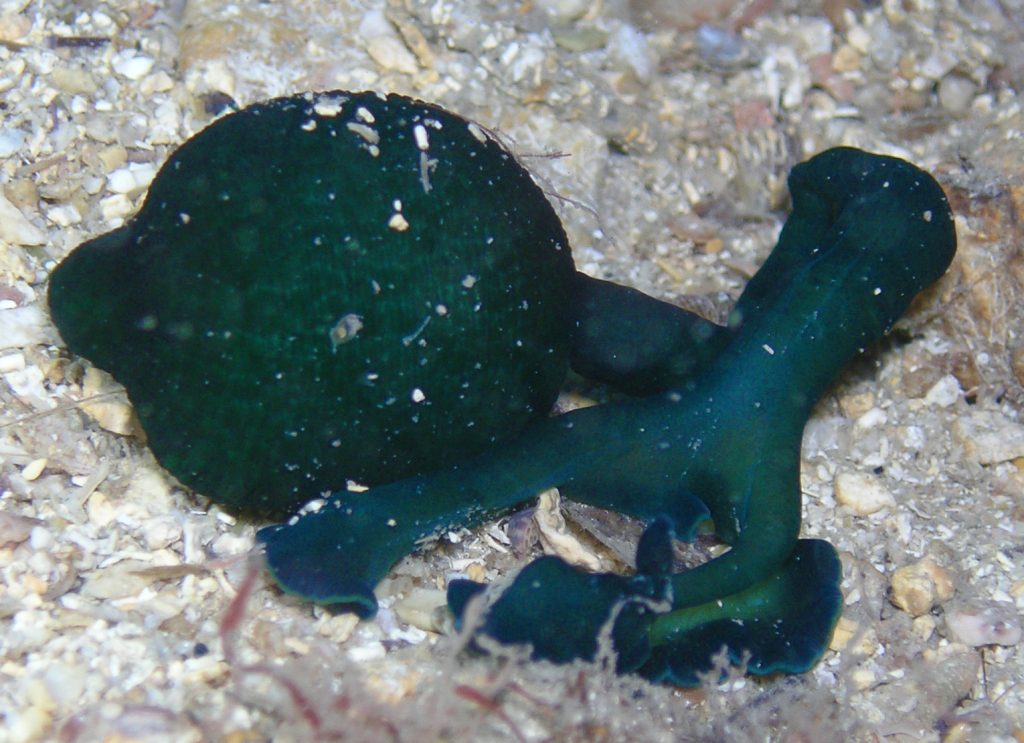
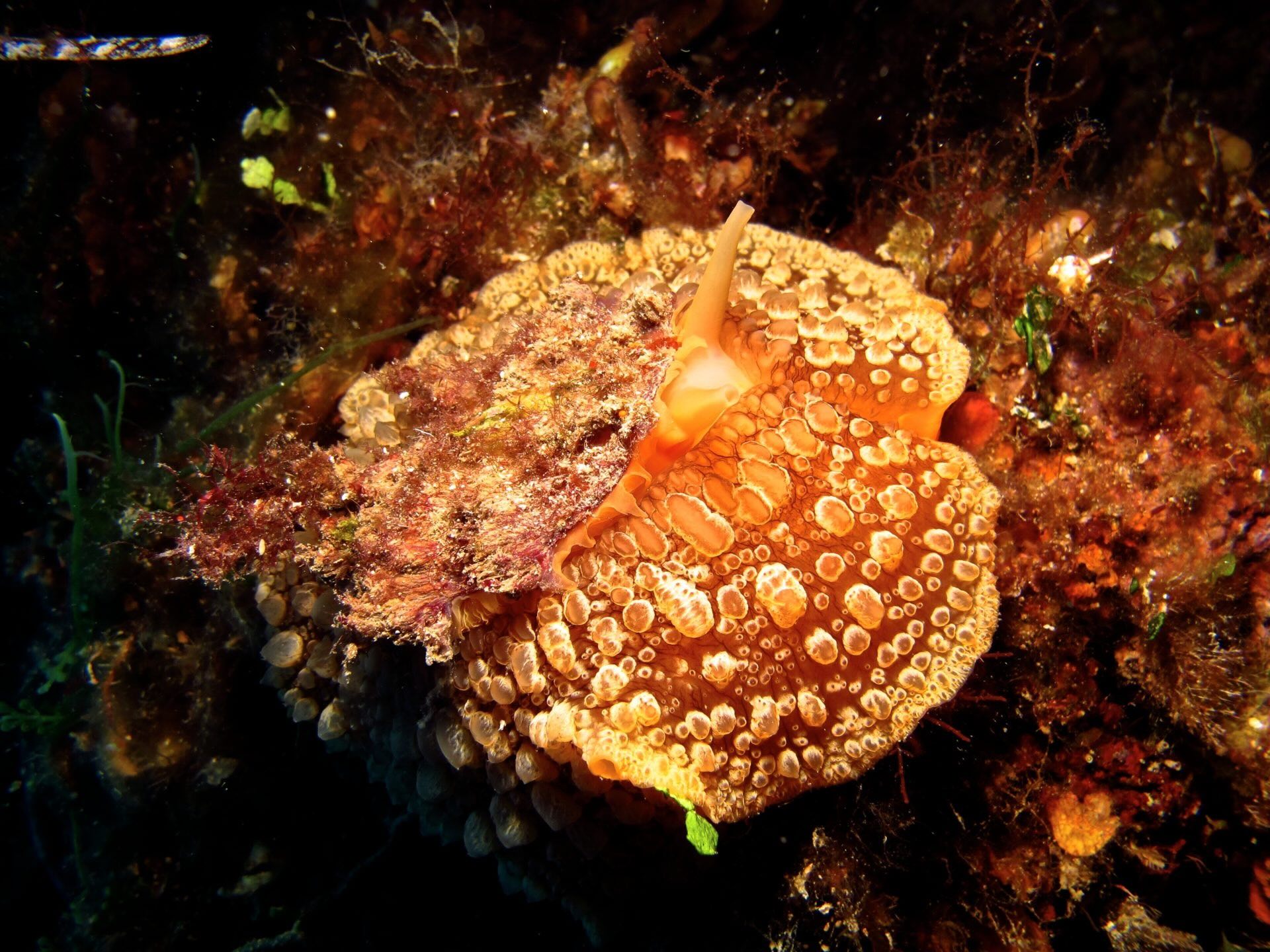
Let’s begin with Her Majesty the sea cow, or Discodoris atromaculata. It is probably the easiest to find due to its size and its characteristic, rather striking coloration… can you guess why? It depends on what it eats. In fact, it mainly feeds on a particularly hard type of sponge, Petrosia ficiformis, from which it stores part of the digestion residues. This makes the sea cow tough and unpalatable, and to make this clear it displays itself prominently. This type of coloration is called aposematic and is found in toxic, indigestible, or simply very bad-tasting organisms. In this way, predators can immediately recognize them and avoid eating them! Isn’t that brilliant!? Of course, there are also those that take advantage of this and, despite being perfectly tasty and harmless, adopt the same colors to deceive potential predators.
Once it has found its prey, the sea cow attacks the sponge’s surface with its radula (a sort of toothed, chitinous ribbon, similar to a tongue), scraping it. After this treatment, the eaten parts appear lighter in color. So, to sum up, in order to find the sea cow you simply need to observe the sponges until you locate Petrosia ficiformis, which appears massive, compact, and hard (like a stone, hence the name), with a rough surface covered in oscula (the characteristic holes of sponges through which filtered water flows out) and a reddish-violet coloration. This coloration is due to the presence of cyanobacteria that live in the illuminated part of the sponge.
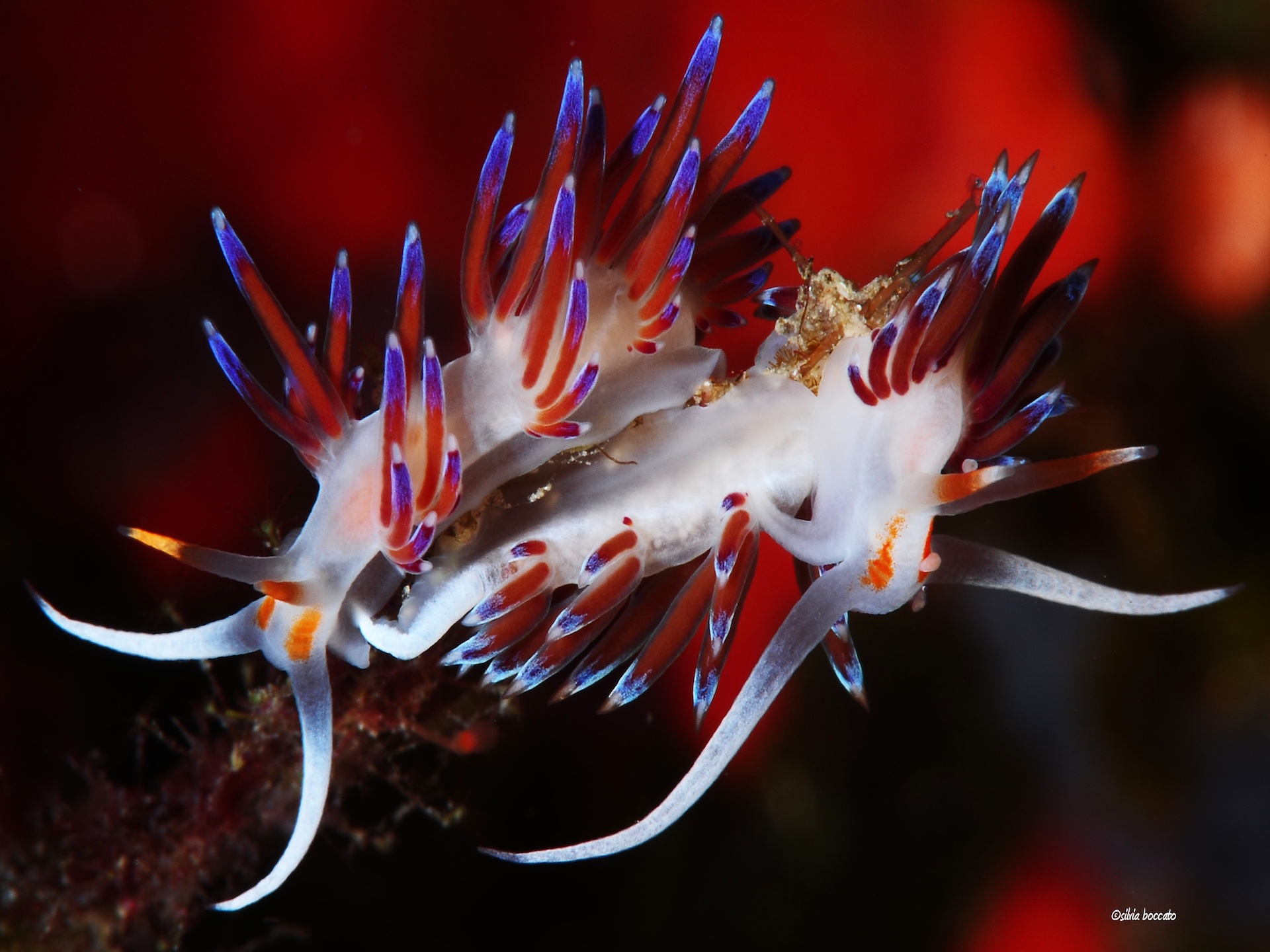
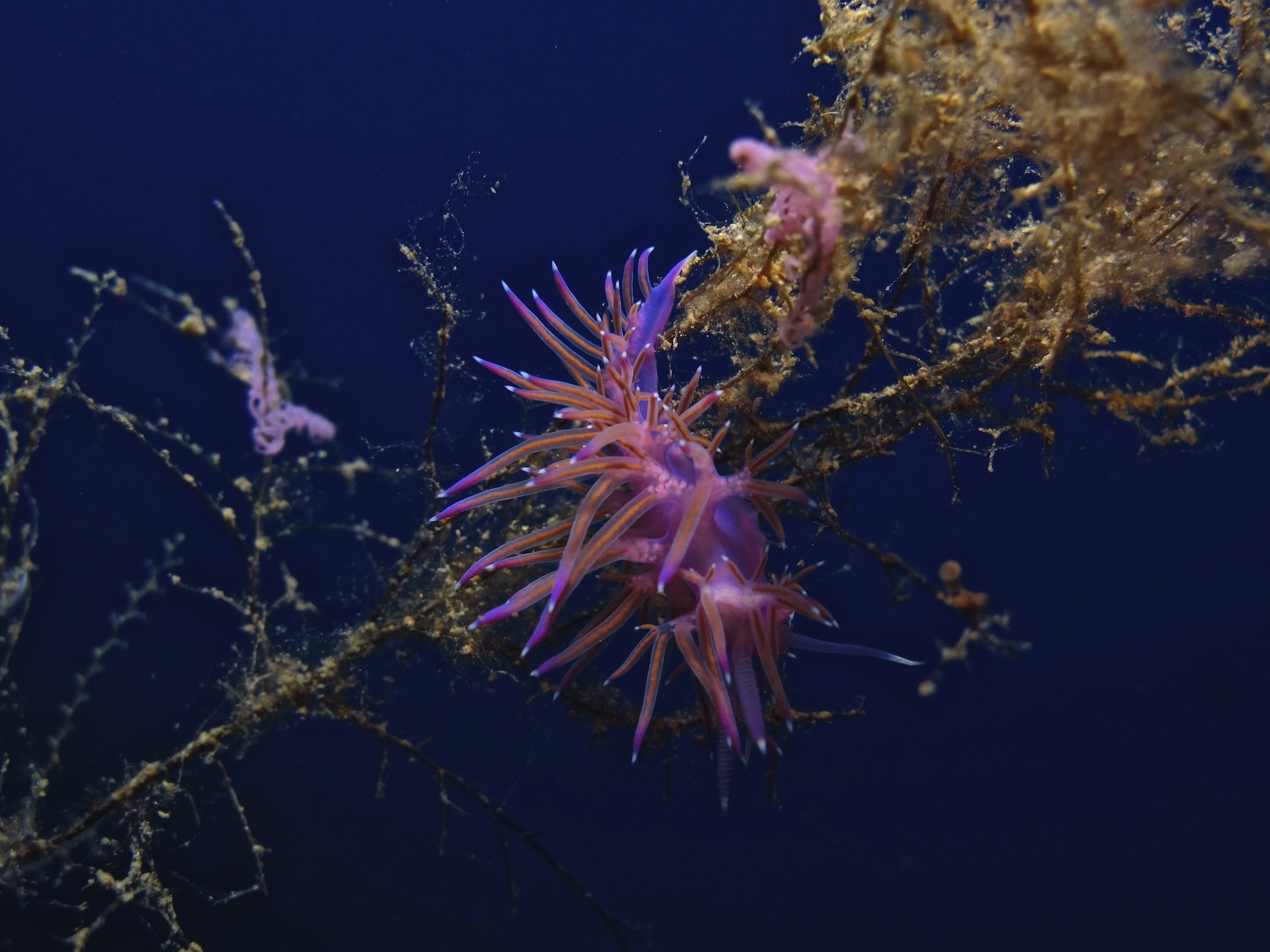
Flabellinas, among which the most “famous” are Flabellina affinis and Cratena peregrina, generally feed on hydroids, organisms belonging to the phylum Cnidaria (formerly Coelenterata), the same group as jellyfish, with which they share their characteristic stinging cells. These are colonial organisms that overall resemble small green/transparent little trees with a firm yet elastic and flexible consistency. Their polyps (yes, POLYPS, not OCTOPUSES — and because of their stinging cells, ordering them at a restaurant could result in painful irritation!) have a body in which the mouth apparatus stands out, closely resembling the corolla of a flower.
Flabellinas are gastropod mollusks characterized by bright colors and cerata, elongated outgrowths that serve both to increase body surface area (in many specimens respiration occurs through the skin) and for defense and digestion. In fact, they may contain diverticula of the digestive gland inside them, and in some species they are equipped with organs that store the stinging cells of the organisms they feed on. To ensure that their offspring receive sufficient nourishment for proper development, these nudibranchs lay their eggs (grouped in thin filaments of different colors depending on the species — for example, those of Flabellina affinis are purple, while those of Cratena peregrina are white) directly among the branches of hydroids, especially during spring and summer. Therefore, to find these splendid, small yet vividly colored and highly detailed animals, all we have to do is carefully inspect every “little tree” (hydroid) we encounter during our dive!

If you are looking for Janolus cristatus, a yellowish-brown transparent nudibranch characterized by bulb-shaped cerata with terminal tips ranging from light blue to opalescent white, you should know that it feeds on bryozoans: colonial animals, either encrusting or branching, whose individual organisms are enclosed in a calcareous or chitinous casing from which, only when necessary, the filtering structure called the lophophore emerges. To an inexperienced eye, bryozoans can easily be confused with certain types of algae, sponges, or corals, which is why proper research is important! The preferred prey of our Janolus cristatus includes in particular Alcyonidium gelatinosum, some species belonging to the genus Bugula (B. avicularia, B. flabellata, B. neritina, B. turbinata), and those belonging to the genus Cellaria. To recognize them more easily, I recommend searching for images of these organisms so you can get an idea of what they look like. Since it does not feed on cnidarians, J. cristatus does not store their stinging cells within its cerata; however, to defend itself from predators, it has developed the ability to release some of its cerata, which continue to move even after being detached from the body, confusing predators! A bit like lizards do with their tails. This ability is known as autotomy.
For those who wish to further explore the topic of nudibranchs, I recommend the website http://opistobranquis.info/en/#gsc.tab=0 (in English) or the book NUDIBRANCHI DEL MEDITERRANEO by Egidio Trainito and Mauro Doneddu (in Italian).
Of course, food is not the only factor influencing the distribution of marine organisms. Many other needs and habits determine why animals are found in one place rather than another. One of the best ways to learn about this is by attending ecology and marine biology courses—or you can always rely on an experienced guide!